
Registration: Opening a New Account

Registering takes minutes, and the decisions you make in those minutes shape how smooth everything afterwards will be. The form is short, the conditions are long, and the temptation is to move quickly through both. Slowing down for a few specific fields is the difference between an account that works quietly and one that generates support tickets for months.
This guide walks through the process in order: what the form asks, which answers cause problems, what you are actually agreeing to and what happens immediately after. It is written for adults who want to understand the arrangement rather than to be persuaded that the arrangement is a bargain.
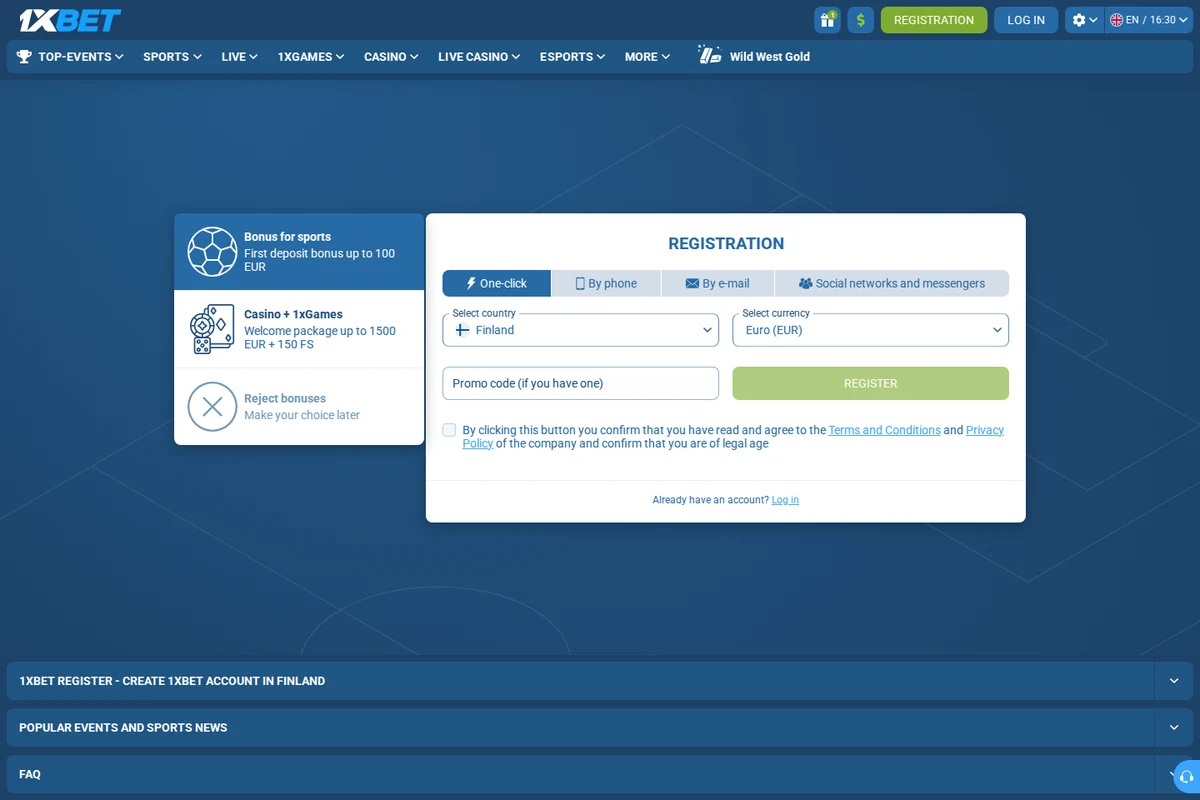
What the form asks for and why
A registration form collects three categories of information: who you are, how to reach you and what you have agreed to. Identity matters because the provider is obliged to know its customers. Contact details matter because verification and recovery depend on them. Consent matters because it is the record of the arrangement you are entering.
An account is a contract as much as a form. Every field you complete becomes part of the record the provider will rely on when you ask for a withdrawal, and every condition you accept becomes binding the moment the account is live. Reading with that in mind changes how the process feels, from a chore into a decision.
The fields that cause later delays
The fields that cause trouble later are the unglamorous ones: a name spelled differently from your document, a date of birth entered carelessly, an address that no longer matches your records. Each looks trivial at the time and each becomes a verification question when you try to withdraw money, because none of them can be quietly corrected afterwards.
The details you enter have to match the documents you can produce. That single rule explains almost every delay people experience later, because providers are required to be certain who they are dealing with, and a mismatch between a nickname on a form and a legal name on a passport is exactly the kind of gap that has to be closed before money moves.
- Enter your name exactly as it appears on your identity document.
- Read the bonus, verification and withdrawal sections before agreeing.
- Expect the account to stay unverified until documents arrive.
- Set deposit and session limits before the first deposit.
- Quote the exact error message if the form refuses to submit.
Reading the terms at the right moment
The terms are best read at the point where they still influence a decision. That means before you tick the box, not after the first deposit. The sections worth reading in full are the ones about bonuses, about verification and about withdrawals, because those three describe the practical relationship between you and the provider.
Verification is not an accusation. It is a requirement placed on the provider by the rules it operates under, and it exists to keep the account yours. Approaching it as a routine step rather than an insult makes it shorter, and preparing the documents in advance makes it shorter still.
What happens immediately after registering
Immediately after registering, the account exists but is usually not fully functional. An email or a message confirms the address, the provider may begin a verification process, and any welcome offer becomes visible with its conditions attached. Depositing at this stage is possible and, as a matter of judgement, not urgent.
A welcome offer is a piece of marketing that carries conditions, and the conditions are the part that determines whether the offer is worth anything to you. The headline number is the least informative element on the page. The wagering requirement, the time limit and the games that count towards it are where the real shape of the offer becomes visible.
| Part of the form | What it establishes | Common problem |
|---|---|---|
| Identity fields | Who holds the account | A name or birth date that does not match |
| Contact details | How verification and recovery reach you | An address you rarely read |
| Consent boxes | What you have agreed to | Accepted without reading the terms |
Choosing limits before you deposit
The moment before a first deposit is the best moment to set limits, because nothing is at stake yet. Deciding on a monthly ceiling and a session length while the account is still empty is straightforward; deciding the same thing after a difficult evening is not. The tools are usually available from the moment the account is verified.
Payment methods are chosen at registration and adjusted later with more difficulty than people expect. A method in your own name, on an account you control, is the only kind that behaves predictably when a withdrawal is requested. Borrowing a card or using a wallet registered to somebody else creates a problem that surfaces at the worst possible moment.
If something goes wrong on the form
Form failures are usually simple: an expired session, an unsupported document format, an address field that rejects a legitimate postal format. Note the exact message, try once more in a fresh session, and if it persists contact support with the wording. Guessing repeatedly wastes time and can create a duplicate application that you then have to untangle.
The name on the account, the name on the payment method and the name on the documents have to agree. This is not a technicality invented to inconvenience anyone; it is the mechanism that prevents accounts from being used by people who are not the registered holder. When all three line up, everything downstream runs smoothly.
Registration is a short process with a long tail. Type your details exactly as they appear on your documents, read the conditions while they still matter and set your limits before any money moves. The account that results is calmer and easier to manage. Nothing in the process affects an outcome, and no offer guarantees a win; this guide is informational, for adults aged 18 and over.
Read next
Identity Verification After Registration
Why providers ask for documents, which ones are typical and how long checks can take.
Reading the Welcome Offer Properly
What a sign-up offer is, what wagering means and the conditions people skip.
Payment Methods on a New Account
Cards, bank transfers and e-wallets: matching your name, limits and verification.