
Time Limits, Pauses and Reality Checks
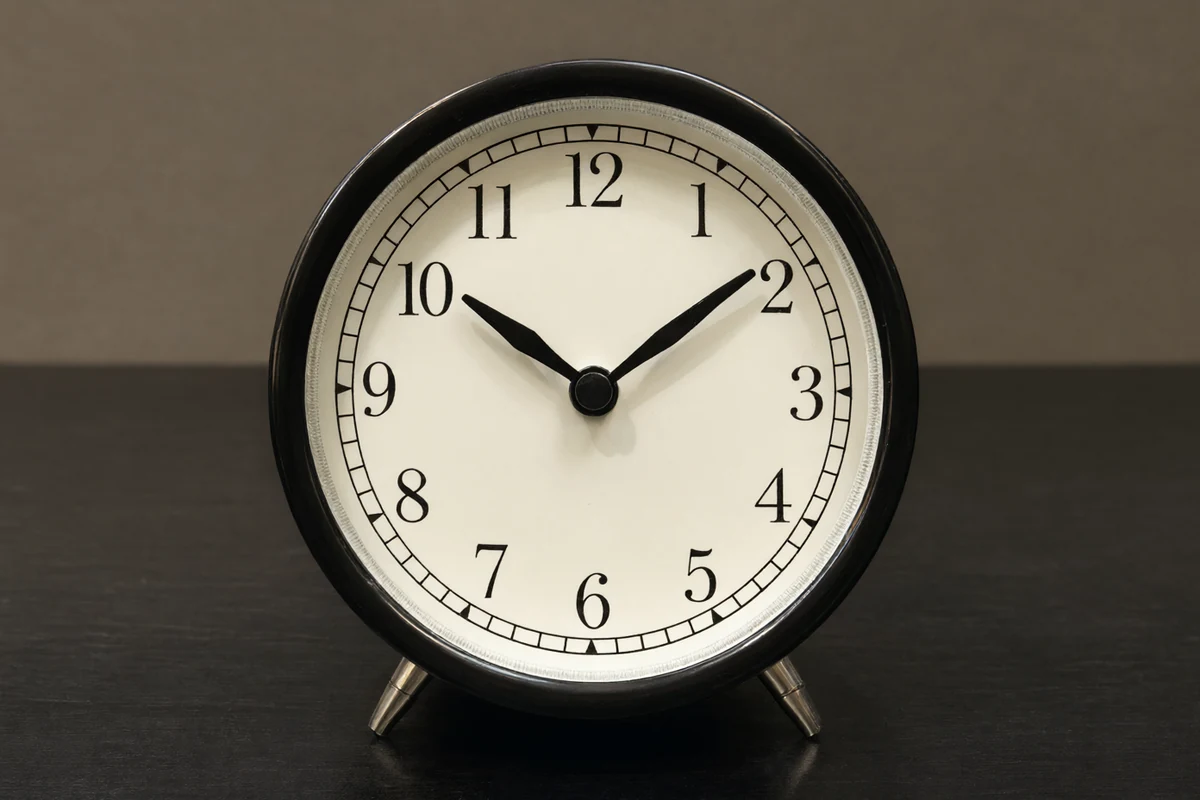
Time is the limit that hides. Money leaves a trace in a statement, but hours disappear without leaving anything behind except a vague sense that the evening went somewhere. Session limits, pause prompts and reality checks exist to make that invisible quantity visible before it becomes a problem.
None of these tools is dramatic. They interrupt, they inform, they occasionally irritate. That is precisely the point: an interruption placed between an impulse and an action is the most valuable thing an application can offer someone who has already decided how they want to behave.

Why time is the hidden limit
Money limits are easier to take seriously because the consequence is visible on a statement. Time drifts quietly: a live page stays interesting, the phone stays in hand and an hour becomes three without any single decision marking the change. Measuring the unmeasured is the whole purpose of a time tool.
The tools a provider offers are deliberately modest: limits, pauses and exclusion. They are not designed to make gambling difficult for everyone, only to place a deliberate obstacle in the way of the impulse that a person has already decided they want to resist. Used properly, that is exactly enough.
Session limits and how they behave
A session limit is a maximum duration set in advance. When the period expires the application interrupts, sometimes by signing you out and sometimes by forcing a break. It is a blunt instrument and, for anyone who loses track of time regularly, an effective one.
Conversations with people you trust are underrated protection. A partner, a friend or a family member who knows roughly how you spend your evenings changes the character of a session, because the private space in which chasing happens shrinks. Secrecy is the environment in which the problem grows.
- Set a session length shorter than your typical evening.
- Choose an interval that you cannot dismiss without noticing.
- Read reality checks rather than closing them.
- Decide in advance what a pause will make you do.
- Treat every prompt as a genuine question.
Pause prompts during a long session
Pause prompts are gentler and appear after a set interval, asking whether you want to keep going. Their value lies in the interruption rather than the message. A prompt that arrives while you are comfortable is easy to dismiss, and dismissing it consciously is still better than never noticing that the session had grown.
Amounts are the wrong variable to argue about. It is common to hear that a stake was small, as though the size settled the question. What matters is whether the activity is controlled and affordable, and whether it stays that way when the evening goes badly. Scale describes income; control describes behaviour.
Reality checks and what they show
A reality check summarises the session so far: how long it has run and how the balance has moved. The summary is neutral and occasionally uncomfortable, which is the point. Numbers you have not tracked are easy to misjudge in either direction, especially after a run of any kind.
A gap between expectation and reality is the clearest early signal. If the time spent is longer than intended, the money is more than planned or the thinking drifts towards it during the day, those are observations rather than accusations, and they deserve an honest response rather than a resolution to be more careful next time.
| Tool | When it acts | What it is for |
|---|---|---|
| Session limit | At a duration you chose | Ending a session that has run long |
| Pause prompt | At regular intervals | Inserting a decision into the flow |
| Reality check | On demand or periodically | Showing time and balance honestly |
Making an interruption effective
An interruption only works if it is hard to ignore. Setting the prompt to arrive when you cannot dismiss it instantly, choosing an interval that is genuinely shorter than a usual session, and deciding in advance what you will do when it appears all make the difference between a tool and a decoration.
Exclusion is not an emergency measure reserved for crisis. Taking a long break because a busy period is coming, or because the habit has become dull, is a perfectly ordinary use of the tool. Reframing it as maintenance rather than failure makes it far easier to use it early.
Building the habit around them
The habit is to treat every prompt as a real question rather than an obstacle. Pausing for a minute, checking the time and deciding deliberately is the behaviour the tool is designed to encourage. Done consistently, it becomes the natural rhythm of a session rather than an imposition.
The responsibility for control sits with the person playing, and also with the provider that offers the tools. Neither half absolves the other. A provider that hides its limits is failing, and a player who declines to set them is declining the only protection that works regardless of how the session unfolds.
Time is the limit nobody notices until it has already been spent, and the tools that address it are minor by design. Set a session length, respect the prompts and read the summaries. None of it alters an outcome, and none of it is a substitute for money limits. This article is informational and intended for adults aged 18 and over, and it encourages nobody to gamble; if time spent is becoming difficult to control, talking to someone is the most useful next step.
Read next
Responsible Play: The Basics
What responsible gambling means in practice and how to keep control from day one.
Deposit Limits and How They Help
Setting a ceiling before you play, changing it later and why the delay matters.
Self-Exclusion: What It Is and When to Use It
A longer break, how the request works and what it does and does not cover.