
Sports Markets Explained Without the Jargon

Betting markets come with a vocabulary that makes simple ideas sound technical. A single is one bet on one outcome; a multiple links several together; a handicap balances a mismatch. Described that way, the whole subject fits in a paragraph, and the differences that matter are about risk rather than complexity.
This article goes through the main shapes a bet can take and explains how each changes the probability of the whole thing working out. It is deliberately unenthusiastic about every option, because each is simply a different way to accept the same underlying uncertainty.
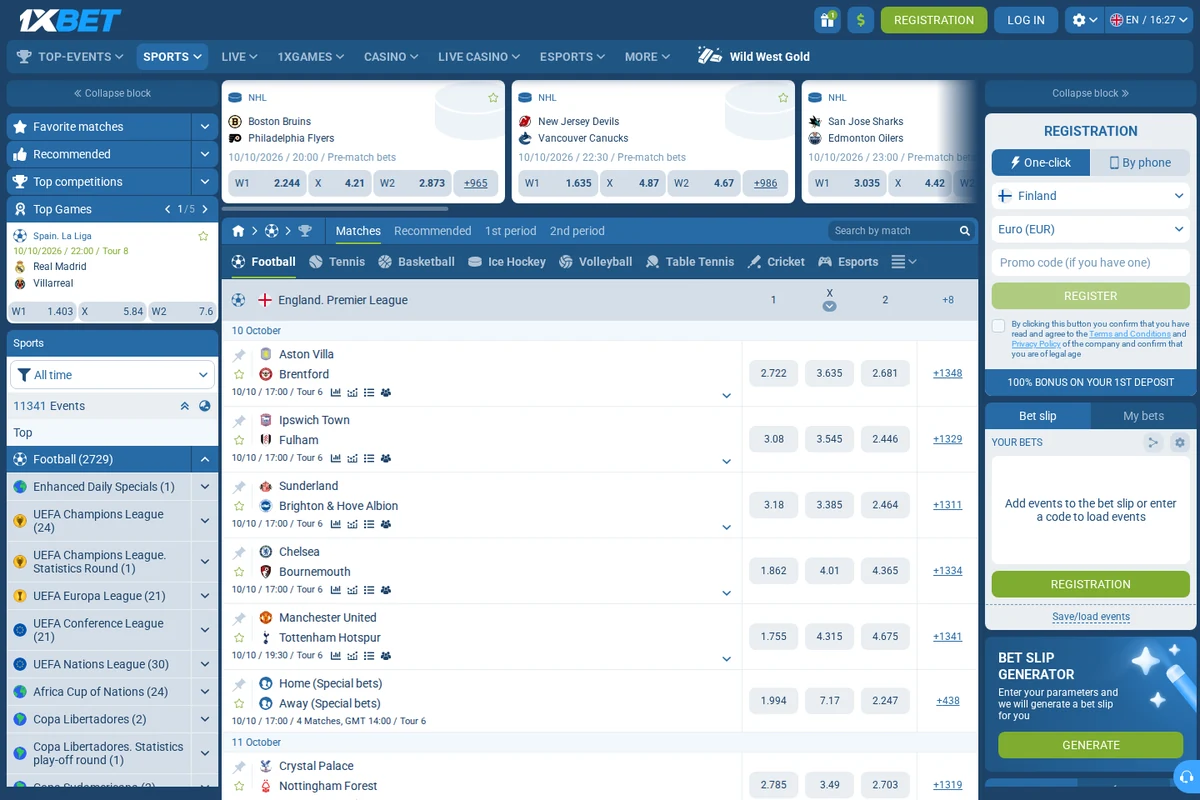
A single bet and what it is
A single is one selection on one event, settled by one outcome. It is the clearest form of a bet and the easiest to reason about: either the event resolves in your favour or it does not, and there is nothing to track besides the one result.
Reading the conditions of anything is dull work that pays for itself within a week. Bonuses, verification requirements and withdrawal rules all describe the relationship between you and the provider, and all of them are easier to accept when met in advance than when discovered at a payment desk.
Multiples and how risk compounds
A multiple combines several selections into one bet that only pays if all of them succeed. The price is larger because the probability is smaller, and the multiplication is unforgiving: each additional selection makes the whole thing less likely, however confident each individual part appears.
Security advice tends to focus on exotic threats while the ordinary ones do the damage. A convincing copy of a familiar page, a message that creates urgency and a password reused across services account for far more lost accounts than any sophisticated technique, and all three are defeated by habits rather than tools.
- Understand that a multiple needs every selection to succeed.
- Read a handicap before forming a view about the match.
- Treat a long price as low probability rather than good value.
- Choose the shape of a bet deliberately rather than by habit.
- Accept that every market carries the same underlying uncertainty.
Handicaps and level markets
A handicap gives one side an artificial advantage or disadvantage to balance an uneven contest. It converts a predictable outcome into a closer question, which raises the price and changes what counts as a winning result. Reading the handicap correctly matters more than any view about the teams.
Nobody can honestly promise an outcome on an uncertain event, and the language of guaranteed returns belongs to sales material rather than to anything mathematical. The useful question is never how to be certain, because certainty is unavailable, but how to keep the activity bounded and enjoyable once it is accepted as uncertain.
Over and under markets
Over and under markets ignore who wins and ask about a quantity: how many goals, points or sets. They suit anyone who finds the total easier to judge than the result, and they carry exactly the same underlying uncertainty as any other market.
Small administrative habits protect accounts more effectively than dramatic ones. Keeping recovery details current, reviewing active sessions occasionally and reading provider messages all take minutes across a year and eliminate the majority of realistic problems before they have a chance to develop.
| Market shape | How it settles | Effect on probability |
|---|---|---|
| Single | One selection, one result | The clearest case to reason about |
| Multiple | All selections must succeed | Probability falls with each addition |
| Handicap | Adjusted to level the contest | Same uncertainty, different question |
Why a larger price is not better value
A large price simply means the market considers the outcome unlikely. It does not mean the offer is generous, and it certainly does not mean it is due. Long prices lose more often than they win, which is the arithmetic behind them rather than a run of bad luck.
Expectation management is part of using any betting product well. An activity entered with the understanding that most sessions end neutrally or negatively behaves very differently from one entered with the belief that a system has been found. The first is a pastime; the second is a disappointment waiting to happen.
Choosing a shape that fits your aim
The right shape depends on the aim rather than on the price. Anyone wanting a calm evening will find multiples restless; anyone seeking a large return is accepting a correspondingly small probability. Choosing deliberately, with the arithmetic understood, is the only part that is genuinely within your control.
Every tool in a betting application is neutral, and the same feature helps or harms depending on how it is used. Notifications remind or nag. Speed aids a decision or encourages a reflex. Limits protect or merely record an intention. The tool does not decide which of those applies; the habit does.
Once the vocabulary is stripped away, every market is a different way of accepting that you do not know what will happen. Singles, multiples, handicaps and totals vary the shape and the odds, never the certainty. No selection method improves your chances and no tip can promise a result. This guide is informational, written for adults aged 18 and over, and it advises nobody to bet.
Read next
Live Betting in an App: The Basics
How in-play markets behave, why prices move and what a moving price really means.
Practical Tips for Betting on a Phone
Battery, connectivity and screen size: small things that change the experience.
App or Browser: Which One Fits You
Installation, notifications, speed and storage compared in everyday terms.