
Keeping a Betting Account Safe
Account safety is often presented as a technical subject, which makes it feel like somebody else responsibility. In practice the threats that succeed are social: a convincing copy of a page you already know, a message that manufactures urgency, a habit of reusing a password. All three are countered by habits rather than by software.
This article describes what those threats look like in daily use, what a genuine provider will and will not ask for, and how to react in the first hour if something does go wrong. The aim is not anxiety but familiarity, because recognising a bad page quickly is what limits the damage.
Copycat pages and how to spot them
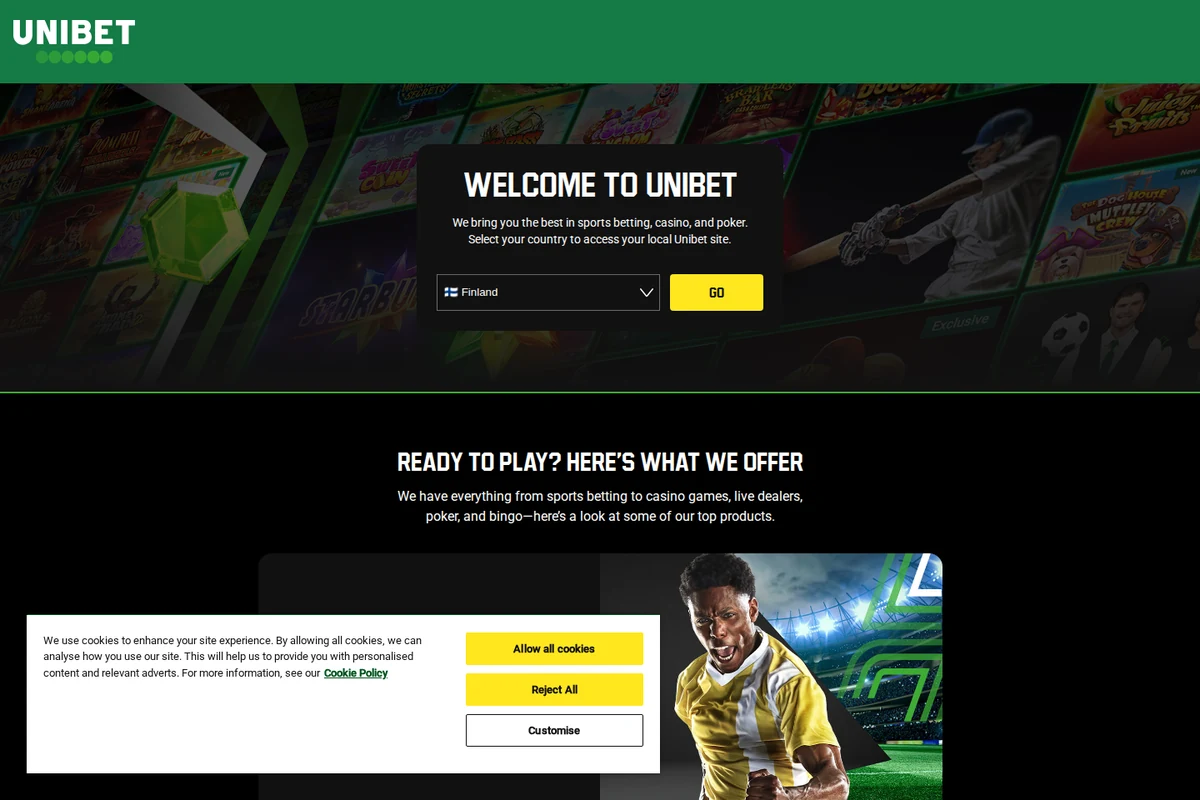
Phishing pages have become good. The reliable tells are no longer spelling mistakes but the address in the bar, the route by which you arrived and the way the page behaves. Typing the address yourself, or using a bookmark, defeats almost all of them before they can do anything.
Prices are set by the provider and move with demand rather than with truth. A number on a screen is an offer, not an opinion about what will happen, and treating it as a forecast is the most common conceptual mistake made by people new to betting markets of any kind.
Messages that manufacture urgency
Urgency is the most durable sign of an attack, because it works regardless of how convincing the page looks. A message warning that an account will be closed within minutes, or that a payment is stuck and needs immediate confirmation, is describing a situation designed to stop you reading carefully.
Convenience changes behaviour more than features do. An application that opens in two seconds is used differently from one that requires a password and a wait, and that difference is invisible in a feature list while being obvious in a monthly statement. Worth noticing, not worth moralising about.
- Type the address or use a bookmark instead of following links.
- Treat any message that demands speed as suspect.
- Never share a password or a code with anybody who asks.
- Use a unique passphrase for the account.
- After a compromise: change, revoke, check, then report.
What support will never ask for
A genuine support team will not ask for your full password, a complete card number or a security code sent to your phone. Those items are only useful to somebody who wants to impersonate you. Any request for them, however official the surrounding page appears, is the point at which to stop.
The gap between a decision made calmly and a decision made quickly is where most avoidable losses live. Anything that slows a process down slightly, without preventing it, tends to improve the quality of what follows. This is as true of placing a bet as it is of any other purchase made from a phone.
Passwords and the reuse problem
Reused passwords turn one breach into many. A credential leaked from a forum or a shop becomes a working key for every account that shares it, and an account handling money is a particularly valuable target. One unique passphrase for the betting account removes this category entirely.
Reading the conditions of anything is dull work that pays for itself within a week. Bonuses, verification requirements and withdrawal rules all describe the relationship between you and the provider, and all of them are easier to accept when met in advance than when discovered at a payment desk.
| Warning sign | What it looks like | What to do |
|---|---|---|
| Copycat page | Almost identical but a different address | Leave and type the real address yourself |
| Urgent message | A deadline measured in minutes | Slow down and verify independently |
| Password request | Support asking for full credentials | Refuse and report the contact |
The first hour after a compromise
After a suspected compromise, act before investigating: change the password from a device you trust, revoke other sessions, check the account history and contact the provider through a channel you looked up yourself. Understanding what happened can wait; the urgent part does not.
Security advice tends to focus on exotic threats while the ordinary ones do the damage. A convincing copy of a familiar page, a message that creates urgency and a password reused across services account for far more lost accounts than any sophisticated technique, and all three are defeated by habits rather than tools.
Routine checks worth doing
The routine is short: read provider messages rather than archiving them, review active sessions occasionally, keep recovery details current and type addresses rather than following links. Taken together these habits take minutes a year and eliminate most realistic routes into an account.
Nobody can honestly promise an outcome on an uncertain event, and the language of guaranteed returns belongs to sales material rather than to anything mathematical. The useful question is never how to be certain, because certainty is unavailable, but how to keep the activity bounded and enjoyable once it is accepted as uncertain.
A safe account is the product of a few habits rather than a single setting. Type addresses, treat urgency as a warning, use a unique passphrase and know the first four actions after a compromise. None of it influences an outcome, and none of it makes a bet more likely to win. This guide is informational, written for adults aged 18 and over, and it takes no deposits and pays no winnings.
Read next
Live Betting in an App: The Basics
How in-play markets behave, why prices move and what a moving price really means.
Sports Markets Explained Without the Jargon
Singles, multiples and handicaps described plainly, with the risk differences spelled out.
Practical Tips for Betting on a Phone
Battery, connectivity and screen size: small things that change the experience.